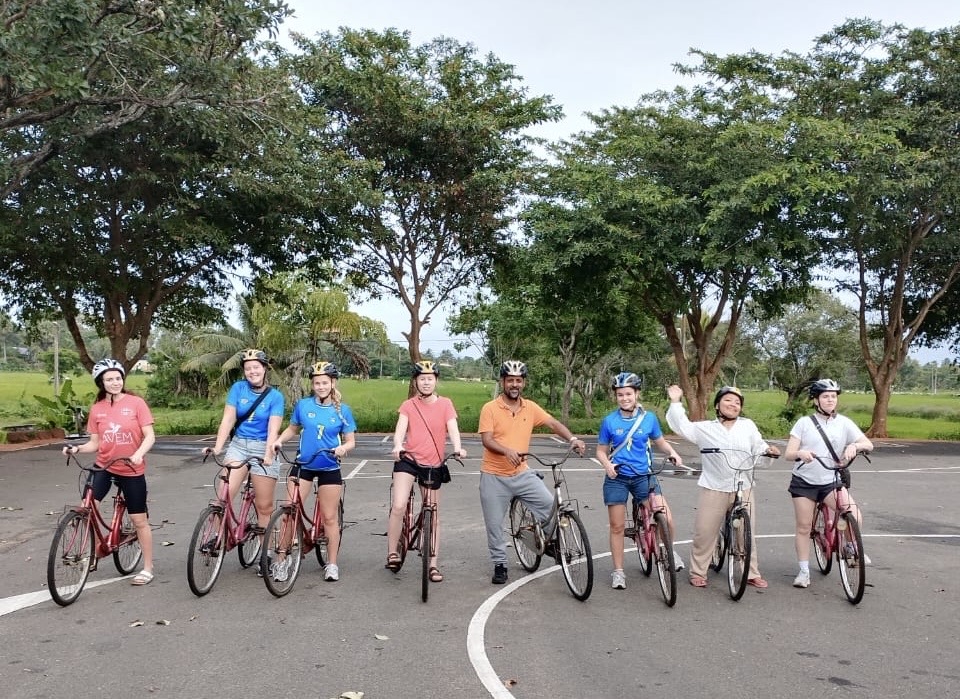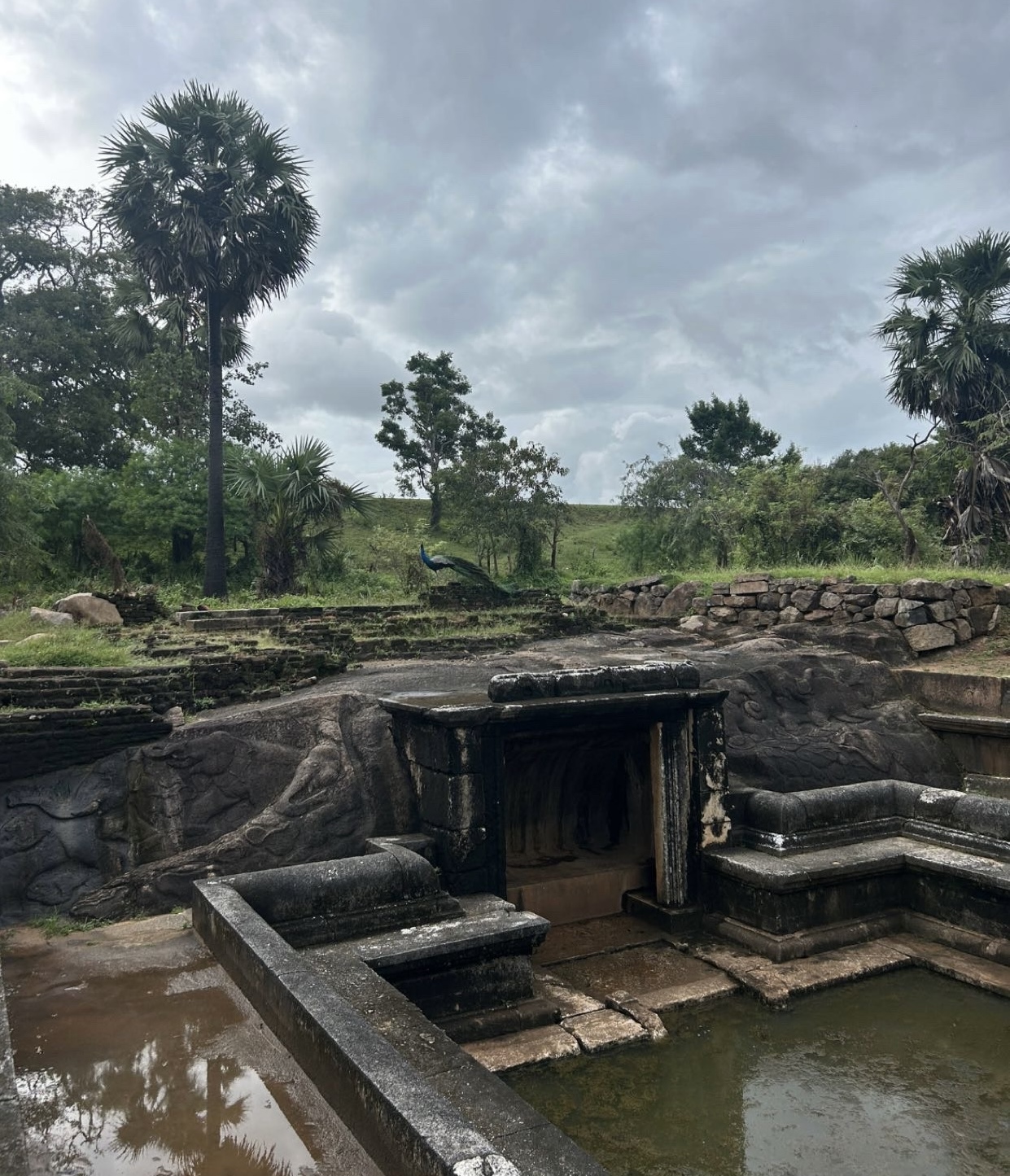
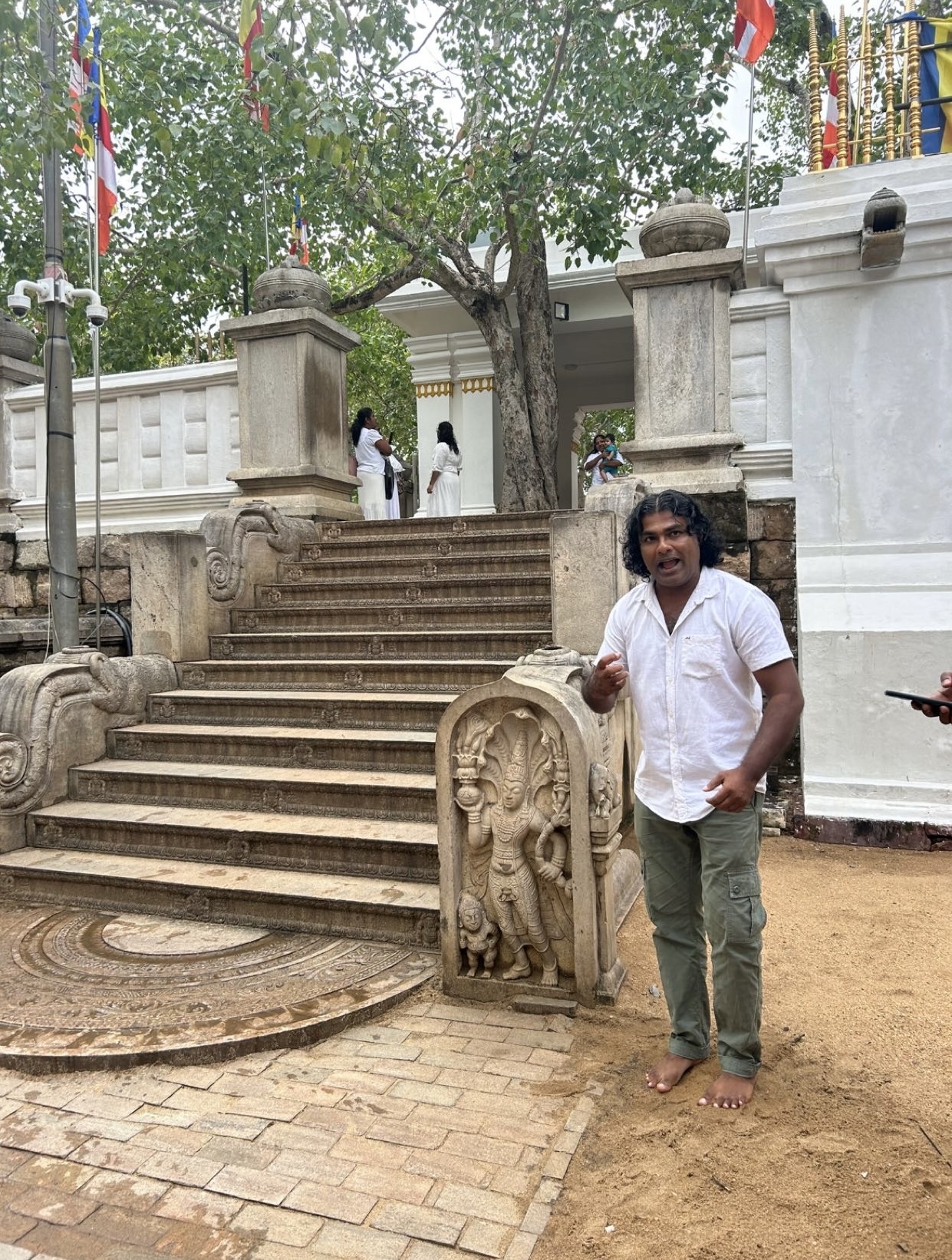
Our day began with a lovely breakfast at the Sadula Holiday Resort. In this charming place, we had been staying for the past two nights, January 15th and 16th, during our time in Anuradhapura. The resort provided a peaceful, scenic setting that made for a relaxing start to the day, with a delicious and satisfying breakfast spread. Anuradhapura itself, as we had learned in greater detail during our visit the previous day, is one of the most historically significant cities in Sri Lanka. It served as the capital of the Kingdom of Sri Lanka 2,500 years ago (according to the explanation during the visit). The city is renowned for its rich cultural, religious, and architectural heritage, including the sacred Sri Maha Bodhi tree, the world's oldest historically documented tree, and the ancient Buddhist stupas and temples that gives beauty to the landscape. During our visit, we explored these historic sites and were given valuable insights into the city’s extraordinary role in shaping the country's history, religion, and culture.
The next day, after finishing our breakfast, we gathered our belongings, packed our bags, and prepared for the next leg of our journey. All of the students carefully loaded their luggage on two minibuses, and by 9:30 AM, we set off for Jaffna, a city located in the northernmost region of Sri Lanka. This would be our destination for the next two odays, and we were excited to explore a part of Sri Lanka that is known for its unique cultural identity, history, and cuisine. We were eager to discover what Jaffna had to offer and to experience a different side of the island.
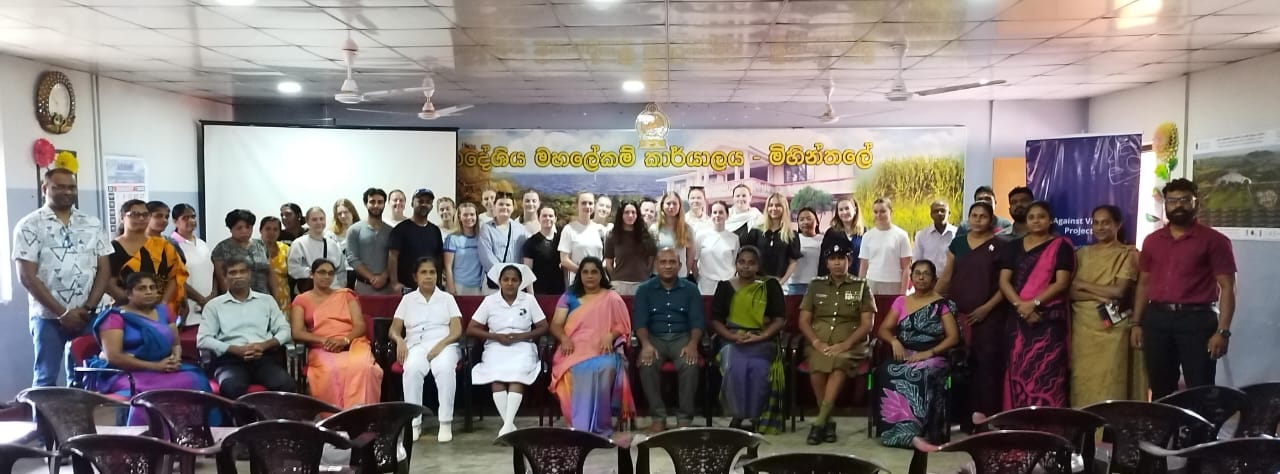
Before heading directly to Jaffna, however, we had planned a meaningful stop at the “Win Against Violence” NGO, an organization supported by USAID that is dedicated to helping women and children who are victims of domestic violence. This visit proved to be incredibly impactful, as we were given a detailed and informative presentation about the vital work that the NGO does to support and empower survivors of abuse. The organization provides shelter for women and children who are seeking safety from abusive situations. The shelters offer a minimum of 14 days and up to three months of housing, where survivors are given access to psychological counseling, legal advice support, and vocational training, helping them to reintegrate into society and rebuild their lives. The NGO also helps its residents explore options for starting their own private businesses or finding sustainable employment.
One of the most powerful takeaways from the presentation was the fact that, although many victims reach out for help through the police, courts, or hospitals, there are still a large number of people who are suffering in silence. The organization emphasized how essential community collaboration is in addressing the issue, as local communities work together to support victims and spread awareness about the services available. The NGO holds regular community meetings every two months to discuss ongoing efforts and raise awareness, making it clear that a collaborative approach is critical in combating domestic violence. It was a truly eye-opening experience that shed light on an important issue, and we left the NGO feeling inspired by the dedicated work of the people involved in these efforts. The NGO has representatives from the governmental organization or higher officials, police and others for a better collaboration in the society.
Once our visit concluded, we continued our journey towards Jaffna. The bus ride itself was expected to take around four hours, as the distance between Mihinthalaya and Jaffna is approximately 190 kilometers. We set off around 10:30 AM and made our way down the road, enjoying the beautiful scenery along the way. After about two hours of travel, we decided to take a short break at a rest stop in Kilinochchi, a small town that is known for its Sri Lankan Army cafeteria. The cafeteria serves as a convenient pit stop for travelers heading to Jaffna, offering a place to relax, enjoy refreshments, and stretch our legs before continuing our journey. The area surrounding the rest stop also has a small shopping center, which provides a variety of souvenirs and snacks for both locals and tourists alike.
Following our break, we continued our drive, and as we made our way further north, we were treated to a fascinating sight. We passed over what is known as the smallest bridge in all of Sri Lanka, located along the stretch of road connecting the southern and northern parts of the island. This tiny bridge, situated between the divided sections of the ocean, stood out as a remarkable landmark and added an element of intrigue to the journey. It was a perfect reminder of how each corner of Sri Lanka has its own unique features, no matter how small they may seem.
By the time we arrived in Jaffna, it was just after 2 PM. We checked into our hotel, “J Hotels,” a modern and comfortable property that would be our home base for the next two days. The hotel provided us with a peaceful and comfortable place to relax after the long drive. Once we settled in, we enjoyed a delicious lunch at the hotel, which gave us a chance to unwind and recharge after the journey. The lunch was the perfect opportunity to connect with fellow travelers and reflect on the experiences we had already encountered. Afterward, we unpacked our belongings and had some free time to relax and explore the hotel or its surroundings at our leisure.
The evening was entirely free, which allowed us to explore Jaffna at our own pace. Some members of the group chose to venture out into the city to enjoy dinner at a local restaurant, eager to sample the unique flavors of Jaffna’s cuisine, which is known for its distinct combination of spices and ingredients. Others preferred to dine at the hotel, enjoying a more relaxed meal in the comfort of the hotel’s dining facilities. Regardless of where we chose to eat, the evening provided us with a sense of freedom and flexibility, allowing everyone to enjoy their time in the way that best suited them. After dinner, the group reconvened, and some of us spent time chatting or strolling around the hotel grounds, while others went to bed early to rest for the next day’s adventures.
As we closed out our day and settled into our rooms, we reflected on the experiences we had already gathered during our journey so far. From exploring the historical depths of Anuradhapura to learning about important social causes at the NGO, and experiencing the changing landscapes of Sri Lanka, we were all filled with anticipation for what was to come next in Jaffna. The following days promised to be full of new experiences and discoveries, and we all eagerly looked forward to the opportunity to immerse ourselves in the vibrant culture and history of Jaffna, as well as the sights and sounds of this remarkable part of the country.
With the evening winding down, we were all grateful for the moments of learning and growth we had encountered so far, and we couldn’t wait for the experiences that lay ahead. We had a sense of excitement and curiosity, knowing that our time in Jaffna would surely be filled with further exploration, education, and connection with the people and culture of the northern region of Sri Lanka. Ready for a fresh start, we went to bed, eager for what tomorrow would bring.
Prepared by :Gina,Siri,Azin and Kagnew
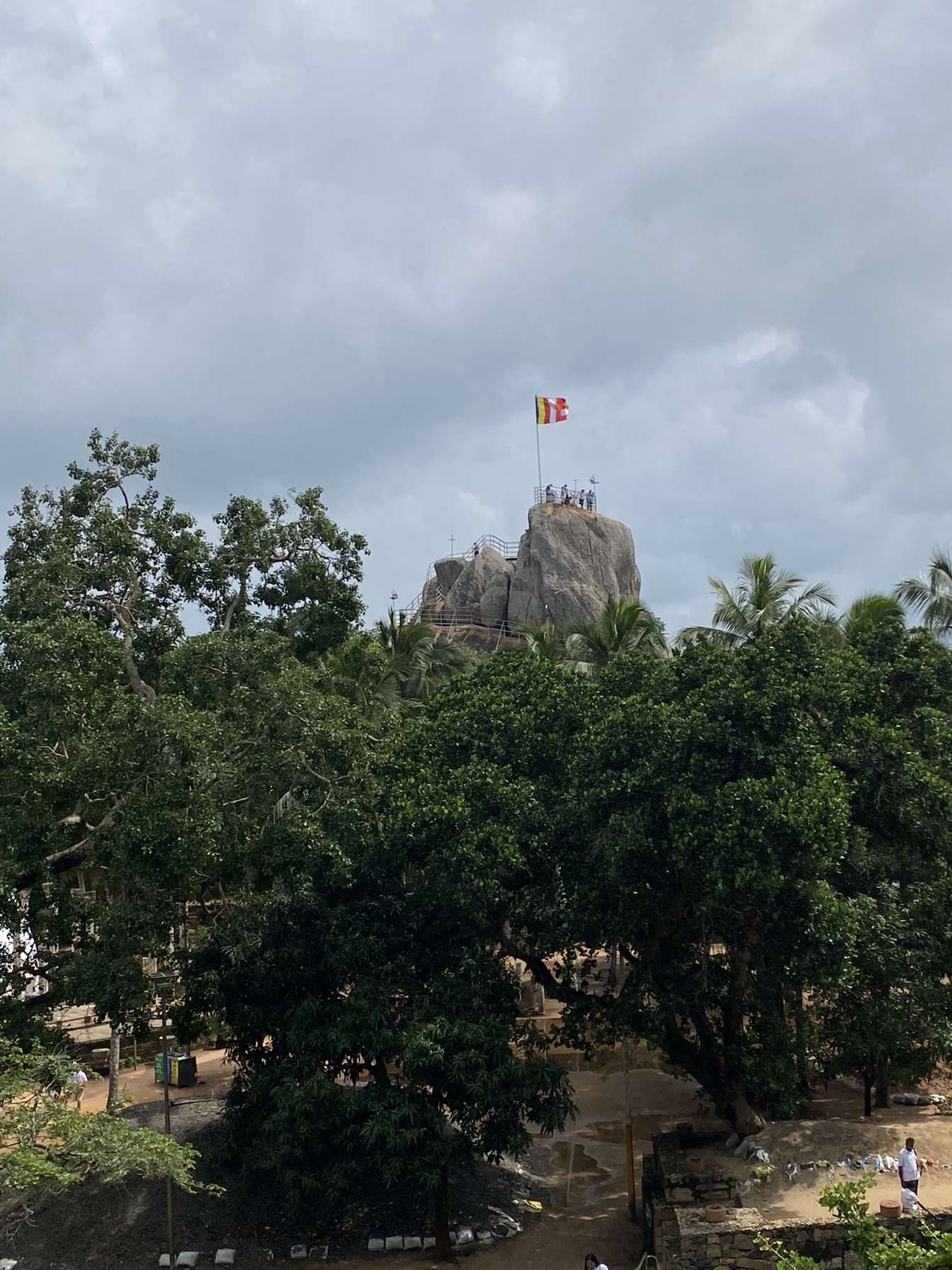
 Today, we traveled from Kandy to Anuradhapura, the ancient capital of Sri Lanka. The drive became a bit cramped, as we had to replace our large bus with two vans.