January 24th - Day 19

January 24th - Day 19

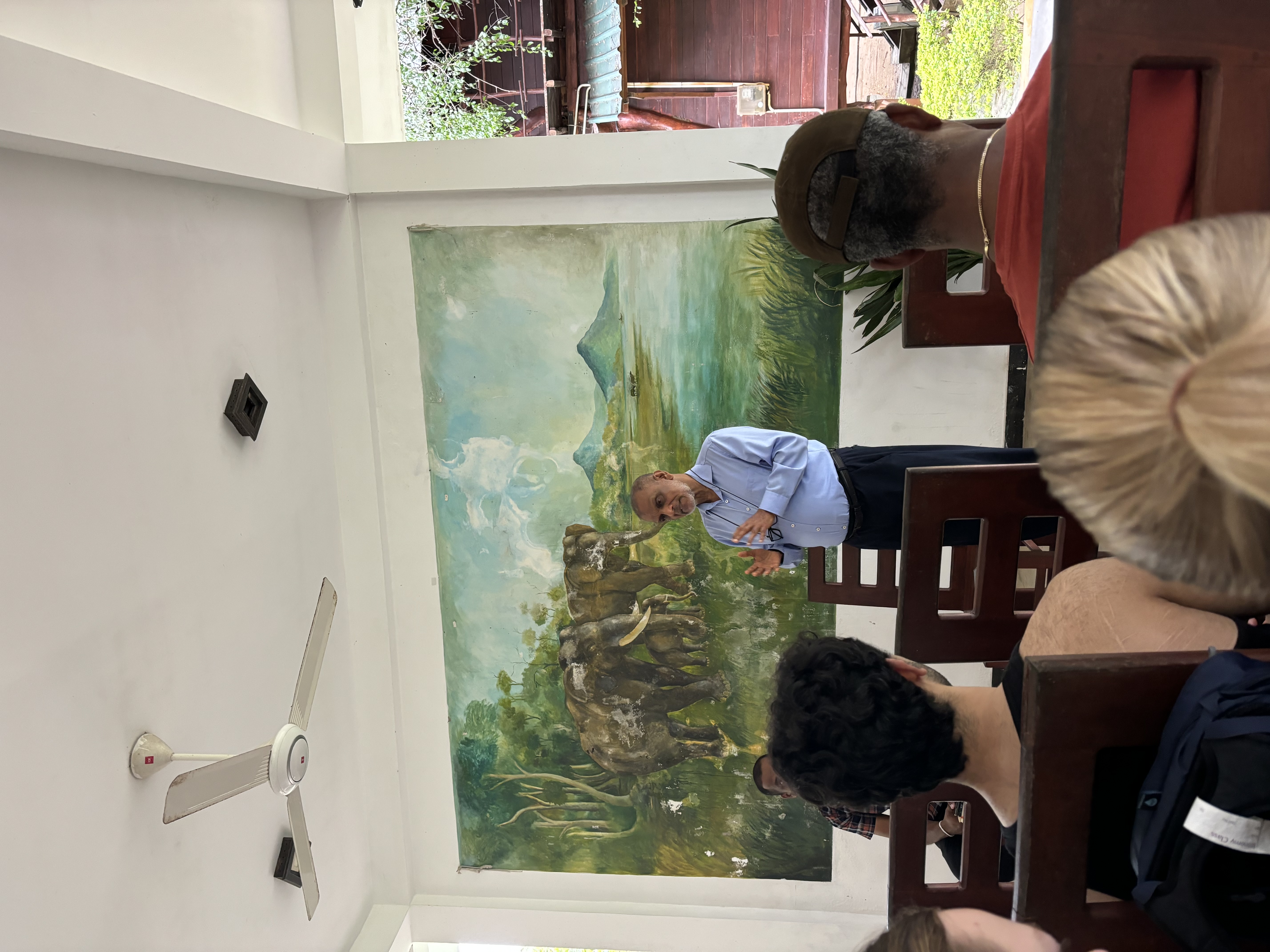
This morning at 9:00 am, we met with Mr. Azmi Thassim, the Sri Lankan ambassador to Saudi Arabia from 2015 to 2019 and a member of the Hambantota Chamber of Commerce since its inception. The Hambantota Chamber of Commerce is the first district-level chamber in the country. He was the first president of the chamber in the 1990s, and since then there have been 15 presidents. Thassim explained the role of the Chamber of Commerce as lobbying for development of Hambantota. To do this, they work to support low to medium level businesspeople, while facing difficulty because Sri Lanka does not mandate that businesses must be affiliated with a chamber of commerce. The chamber supports businesses to access marketing tools, find skilled workers, and more. The chamber also works to support the women’s chamber, as they often face gender barriers, by creating a comfortable environment, and the youth community while they prepare to enter the business space. To try to help us better understand the environment in which the chamber works, Thassim explained the four different sectors in Sri Lankan Government: (1) Local government, (2) Provincial Government, (3) Parliamentary Government, and (4) Presidential Office. Thaissum expects there to be changes to this Sri Lankan government in the next 1-2 years, and advices that the new government must be careful in accepting loans. In regard to the Hambantota projects, Thassim stresses that the Hambantota Chamber of Commerce had minimal involvement and were not given time to discuss the changes. In his previous role as Ambassador, Thassim experienced a similar situation, he was given the power to inform the government of issues but not the power to make meaningful change. In his position at the Hambantota Chamber of Commerce, he works to be good voice for the businesspeople and the best representative of the private sector. When wrapping up our discussion, Thassim stressed the importance of maintaining institutional relationships rather than interpersonal ones, as he hopes to see the collaboration between the University of Agder and the Hambantota Chamber of Commerce continue past the collaboration between himself and Ajith.

Before lunch we visited the largest women-based NGO in Sri Lanka, the Women Development Federation. It was founded in 1989 and has since then tried to help empower families through the women of the households. The goal of the organization is «To become the greatest women’s organization in South Asia providing microfinance and social advancment services to empower distressed families». They do this by helping families economically, spiritually, socially and environmentally. Here are some examples of that: - Helping families economically by giving out loans for growing their businesses. - Different youth programs to help the younger generation utilize their time and potential better. - Social mobilization by informing people about why and how the organization can be helpful for them.

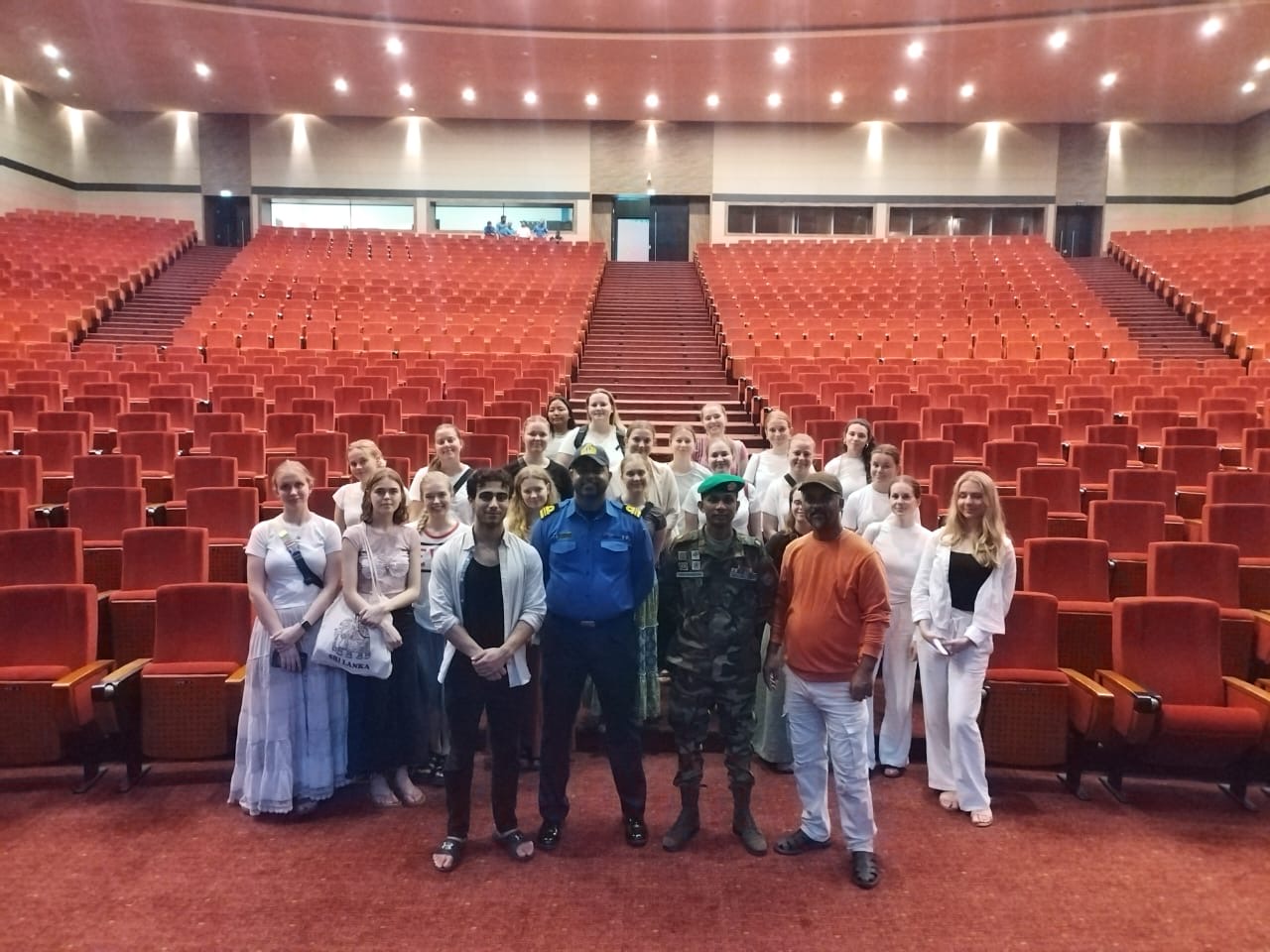
The focus of the organization is mainly on families that fall below the poverty line. Everyone can apply for membership but they have to buy 500 shares to begin with followed by a monthly fee of 50 rupees, which covers insurance. For every recognized village there are five women (mothers) who represents them and speak of the troubles the families are facing, while one of them, the president, takes it further as they are a part of the organization. Through all of the different levels in the organization, no men are involved. The money that are given to distressed families are given to the women as money handled by men can often be used to buy alcohol and satisfying addiction. They also help women with savings and loans and simplifying the economic processes they have to go through, especially if they have a business. When it comes to giving out loans to business-owners, the loan-takers first have to get a smaller loan, around 35,000 rupees and show their progress or success to be able to apply for a bigger one (max 500,000 rupees). Also, 5% of interest is given back to the loan-takers as a bonus for paying back the loan on time. We have percived this as a very effective, helpful and sustainable organization and are impressed by their work. They have helped families for many years now and we believe that they will keep helping families for years to come. The visit was completed with some local snacks, tea and a group photo.

We got the rest of the evening free, to relax and prepare for the homestays that will begin tomorrow. We will be staying with a host family for a couple of days where we will be doing interviews for our research topics, and experience the life of the locals.

Group 1 - Kaja, Andrea, Lorelei and Julia
January 23rd - Day 18

January 23rd - Day 18

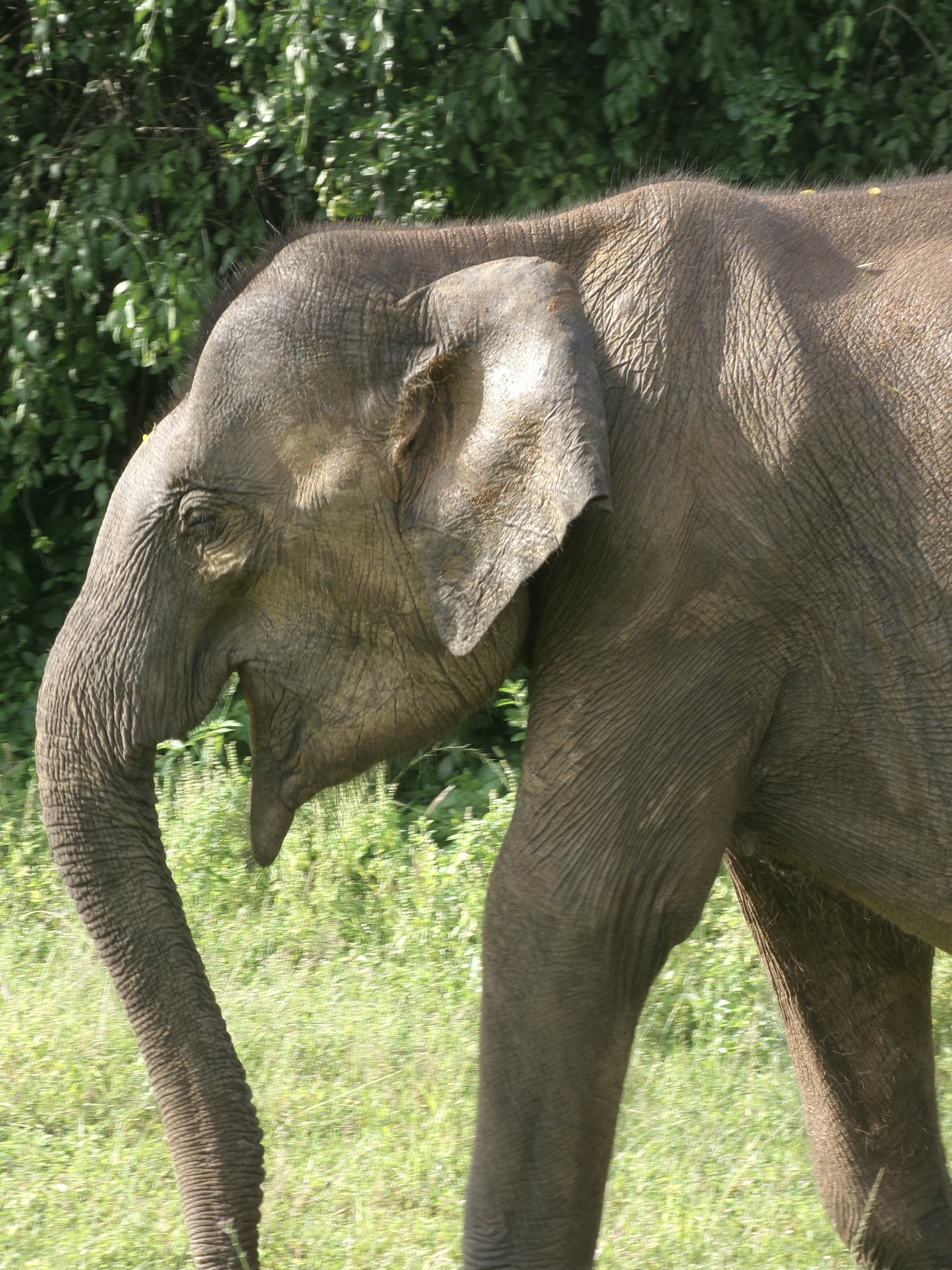
The day started bright and early at 5am for those who wanted to go to Yala national park for a morning safari. The safari lasted for more than six hours and gave us the opportunity to see the wildlife up close. We were able to see animals like elephants, lizards, bears and deer, but no leopard this time. Today we were lucky with the weather as it was sunny almost the whole trip, and only started raining when we got back to the hotel.

Yala national park is the most popular park for safari in Sri Lanka, and was an animal sanctuary until 1938 when it was made into a national park. (https://www.yalasrilanka.lk/about-yala.html). The park is also the worlds biggest concentration of animals like elephants, leopard, bears and crocodiles. (https://www.yalasrilanka.lk/about-yala.html).

enter image description here

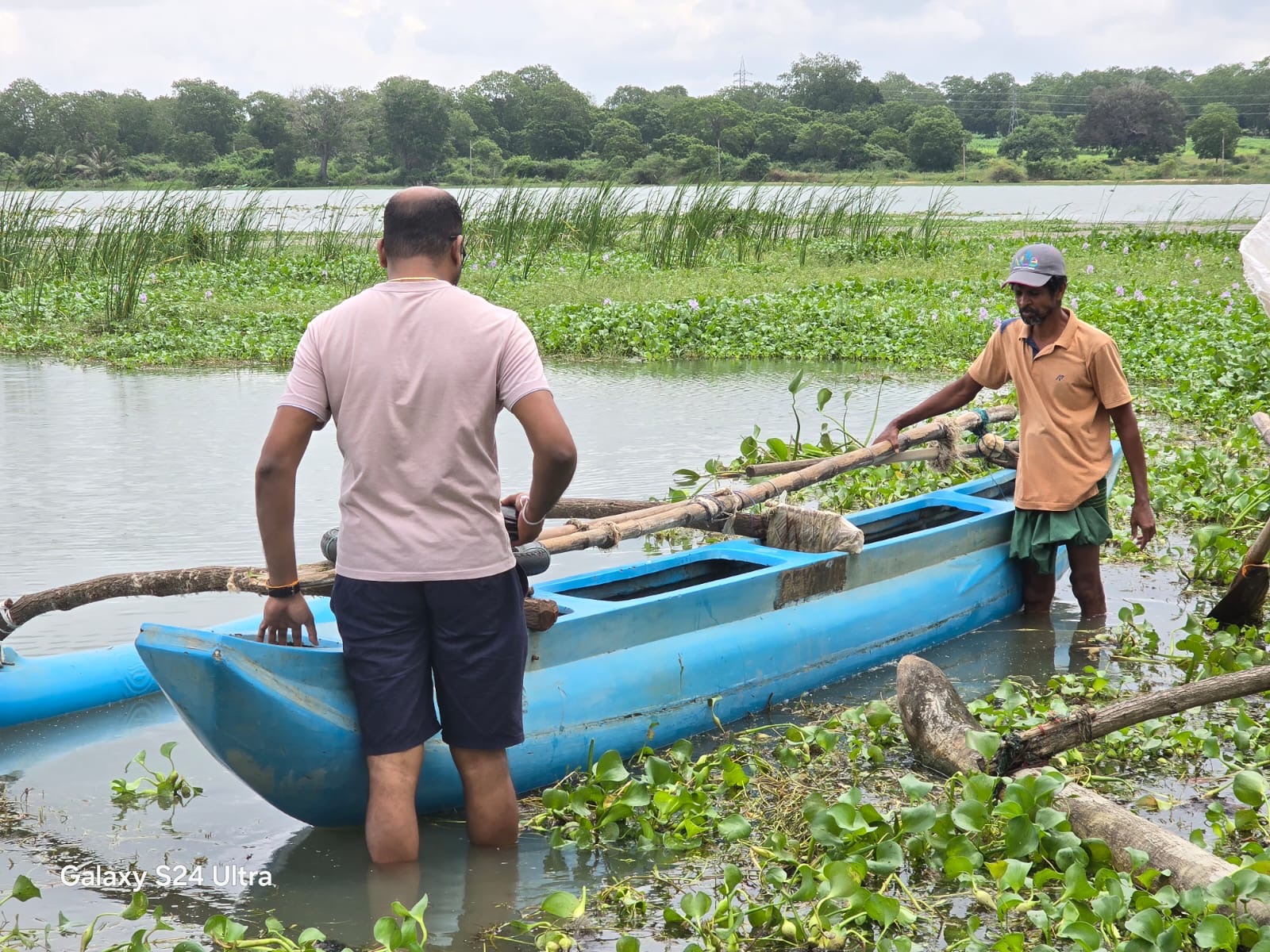
There was another option for those who didn't want to join the safari, who got the chance to join for a trip on the lake near our hotel. The goal for this trip was to catch some fish with fishing nets, but to no luck, as the fishing nets were forgotten. The lake, which is surrounded by mountains, has both crocodiles and leaches.

As this day was our only relaxing day, most of those who went on the safari used the rest of the day in the hotel area. At 6pm we were lucky enough to meet with former mayor of Hambantota, Gamini Sri Ananda, for a group discussion. He was the mayor of the town for two periods, the first starting in 2010, and the second under the financial crisis which went over the period 2020-2022. Under the discussion we were able to ask questions regarding our upcoming field work and report. We asked questions both regarding the Hambantota Development Project and migration to Middle Eastern Countries. The former mayor told us about the government and their involvement in the Development Project, and their lack of consideration for the locals. This discussion was a great ending to our relaxing day.

enter image description here

Group 6 - Gina, Azin, Kagnew, Siri

January 22nd, day 17

January 22nd, day 17

Due to the long travel form Sigiriya to Hambantota yesterday we started the day with a late breakfast at 10am, and left our new hotel a hour later. The first stop of the day were to the Mattala Rajapaksa International Airport (MRIA). This airport were built in 2013 during the Rajapaksa government, and even twelve years later the airport is neither finished or generating income for Sri Lanka. MIRA is funded by loans from China, and as of now the airport have two bridges, which they are planning on expanding to fourteen. Most of the fligths are to and from Russia, contributing to russians being the second highest amount of turists in Sri Lanka. During the tourist season the airport only have three flights a day, but during off-season it can decrease to as little as one fligth a week. Even with this low amount of fligths are there still 450 workers at the airport every day. This is creating many job opportunities, but also huge losses in order to pay the workers wages. The losses also affect the local community as russian travel companies plan entire traveles using hotels and areas opperated by russian companies. This results in the money going back to Russia, instead of the local community. As the secound international airport of Sri Lanka MRIA had a vision of being a contribution to the economic development in the Hambantota area, but ended up being more of a bruden.

Next we visited the Sooriyawewa International Cricket Stadium, also known under the name of Mahinde Rajapaksa International Cricket Stadium. The stadium were built for the 2011 Cricket World Cup, and hosted two games. During matches it has the capacity to host around 40.000 spectators. Since the opening of the stadium there have been hosted 16 international games, and the last were in 2019. The stadium were, like the MRIA, funded by Chinese loans, and costed lots of money. Even with the funds put into the stadium were a match between Australia and Sri Lanka scheduled for February 2025 moved to Colombo, due to the lacking infrastructure in the Hambantota area. There is a maintenance team upkeeping the gass of the stadium, however there are still several renevations needing to be made in order for the stadium to be ready for a new match.

After the stadium were ate lunch, before we headed to the last stop of the day, Magam Ruhunupura International Convention Centre (MRICC). This center were built from 2008 to 2013, and can be used for conferences and weddings. The huge venue have five entrances, two helipads, an outdoor theatre, two restaurants and a main hall. MRICC were funded by the Sri Lankan government, and costed 35 million USD. In addition the main hall were a gift from South Korea and costed 6 million USD. In order to earn back the money used to build the centre is the rent high costs, for example to rent the main hall it costs 1 million rupees for just 6 hours. However the high costs also maked the venue unavailable for many possible costumers. The plan further is to make a website and market the venue in order to start generating profits. In addition they also wants to reduce costs in order to make their accommodations more accessible to consumers. One of the changes they wish to make is powering the center through solar power in order to lower energy costs.

All of the installations we visited today were part of the development plan in the Hambantota area under the Rajapaksa government. However due to the lack of national policies, and governments working against each other, have these projects been neglected. These development efforts are also a great example of how FDIs are negatively affecting Sri Lanka’s development process.

After this we returned to the hotel were we saw wild elephants, which was very exciting! Then we ate dinner at the hotel, and most of us are preparing for an early morning tomorrow. This has been a very insightful day, and we look forward to the homestay in order to learn how these failed development projects have affected the local community in Hambantota.

Group 5 - Ada, Katrine, Lea & Anja

January 21st, Day 16

Today we drove from Sigiriya to our sixth and final destination, Hambantota. What was supposed to be a seven-hour drive stretched into nearly 11 hours as we chose to avoid the highway due to warnings of rockfalls and temporary road closures.

In this long journey we observed the big contrast of religious temples and churches and the general infrastructure and house of the people. It seems as if the after life is more important than the present. We could also see that Sri Lanka is an agricultural country by the vast endless rice fields, coconut and palm tree plantations.

One of the culture's shocking moments through the journey was seeing people driving vehicles without shoes. Straight up feet and toes! In contrast to Norway and other western countries, we observe that in Sri Lanka, people are more dependent on selling products that are handmade or produced in their farm, such as fruits, vegetables and souvenirs. The consequence of this is economical dependency on tourists or other markets. Furthermore we believe the workers have poor working conditions and low wages.

After 10-hours we arrived at Lake Villa Resort and were served Western cuisine - a small but comforting taste of home.

Group 4 - Venera, Oliwia, Any and Kaja